

- Home
- Catalogue Products
- Hood Awnings
Hood Awnings
In addition to the standard shape, BT also offers a wide selection of basket awnings: curved, oval and round. Fixed and semi-rigid triangular models are also available, making them especially suitable for attic roofs. Read more

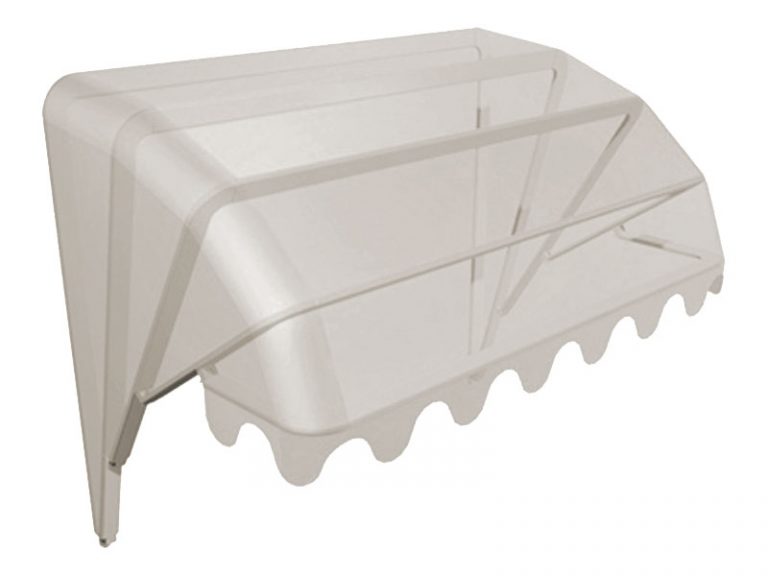
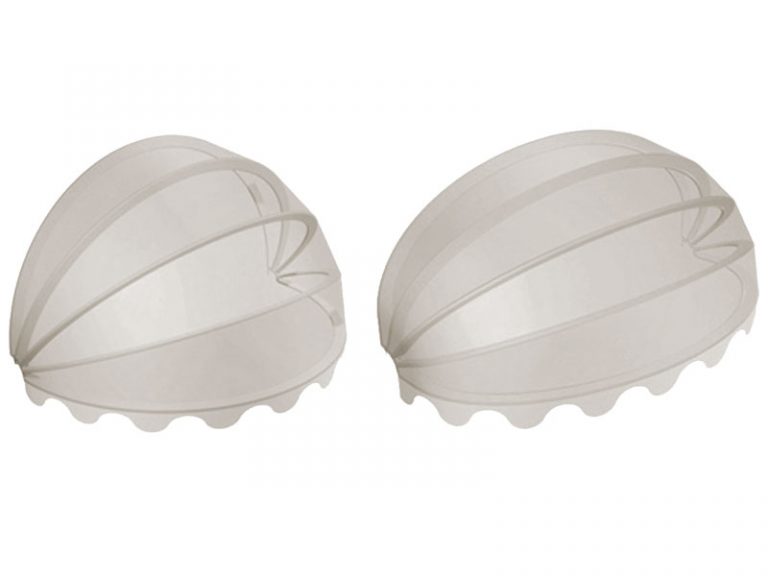
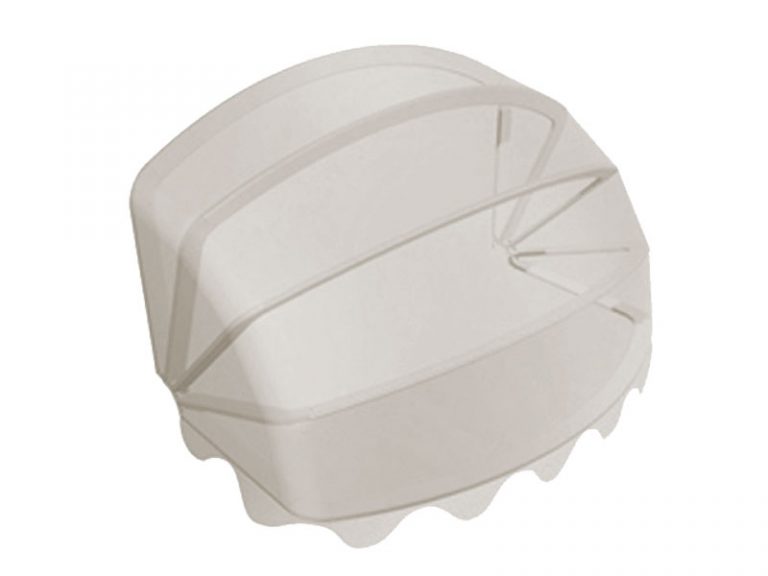
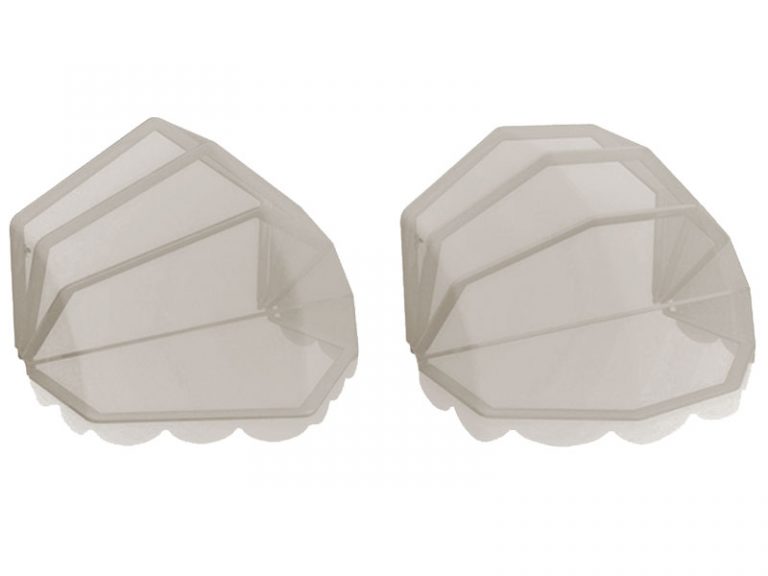
These elegant and practical structures can be wall, ceiling or edge mounted. A broad range of fabric options is available to perfectly match the basket awnings with their architectural surroundings. Find the model that best meets your needs. Basket awnings are the quintessential awning style. They are the first that come to mind — widely used, practical and easy to install. Commonly seen on both private and public buildings, they not only serve a functional purpose, but also act as decorative outdoor features. Versatile and adaptable to any aesthetic, they can be installed over shop windows, hotel entrances or private doorways, and customised for any commercial application. They complement all architectural styles, enhancing façades and entryways while also providing effective protection against the sun and weather.
BASKET AWNINGS: How they’re built
The structure of an outdoor awning is very straightforward. It is precisely this simplicity that makes them so widely appreciated. Its components include:
- Tubular elements – to support the weight of the entire structure, usually made of steel
- Metal hooks – to secure the structure
- Extendable arms – to open and close the awning.
- Guides for the extendable arms – to allow the cover fabric to move.
- Hinges – to allow the extendable arms to move.
The main structure is usually made of aluminum. This material is particularly valued for its lightness and strength. The aluminium is polyester powder coated, in accordance with all the applicable regulations and the required quality standards. The structure is made from extruded alloy, with joints made from thermoplastic resin or aluminium.
Basket awning movement
Like folding-arm awnings, basket awnings can be operated either manually or automatically. With manual operation, the opening and closing of the cover are carried out by an operator. A nylon thread or other synthetic material, running over pulleys discreetly positioned inside the structure, enables the cover to move.
Mechanical operation, on the other hand, is assisted by a small electric motor, which allows the fabric to open and close when activated. The movement is controlled via a remote control paired with the operating system.
Basket awning cover material
Outdoor awnings differ widely in terms of material, colour, design and customisation options. Basket awning covers can be made from: natural fibres (e.g. hemp, cotton, woven cotton), water-repellent fabrics, polyester fibres, and micro-perforated acrylic fabrics PVC.
Natural fibres are more vulnerable to exposure to weather and harsh conditions than others. Without proper care or regular maintenance, prolonged exposure to sunlight or moisture can lead to premature deterioration. By contrast, acrylic, synthetic or plastic-based materials offer superior durability and resistance over time. These options still require some degree of maintenance and attention, but that which they do require tends to be more manageable.
BASKET AWNINGS: When and where to use them.
The exceptional versatility of these awnings has earned them widespread popularity. Regardless of a building’s architectural style or the materials used for the supporting walls, basket awnings are appreciated for their adaptability to a wide range of functional and aesthetic needs. Whether curvilinear, oval, round, with a fixed triangular shade, or semi-rigid design, basket awnings serve both as effective protection and stylish urban furnishings. Particularly well-suited to covering private home windows and commercial shopfronts, they can span several metres in width, offering an extensive shaded area. These luxury furnishing accessories provide a triple function: protecting against sunlight, shading even large areas, and enhancing visual appeal. Beyond their protective role, these covers also help create small private areas, shielding the interior from view when well positioned and installed. Energy efficiency is another important benefit. Like folding-arm awnings, these covers can help reduce air conditioner usage. The larger the shaded area, the greater the potential for energy savings.
BASKET AWNINGS: Installation
The installation of a basket awnings is quick and relatively straightforward.
However, proper installation requires expert hands capable of selecting and preparing the anchoring surfaces correctly. For this reason, it is always advisable to avoid a DIY approach, and to instead consult an experienced and qualified professional, such as BT.
The anchoring to the wall must be secure and stable to ensure a safe and lasting installation. Selecting the anchor points is the most crucial step in the installation of basket awnings. A poor choice could lead to detachment or future operational issues.
Awning maintenance
Like any piece of outdoor furniture, awnings require regular and periodic maintenance. While they are designed to endure exposure to outdoor conditions for extended periods of time, including sunlight and weather, this does not eliminate the need for proper care. For cleaning, steam machines or pressure washers are not recommended. Their intensity could strip away the layers of water-repellent treatment. Similarly, it is best to avoid using acidic or highly alkaline products (such as caustic soda or lye), corrosive chemicals, or abrasives. To achieve optimal results, follow the detailed instructions provided by the BT technicians. Lastly, prolonged exposure to heavy rain or strong winds can damage or tear the fabric cover. If the basket awning becomes wet, it is recommended to wait until it is completely dry before closing the cover.